Gender Orders in Transition: ICAS:MP Workshop Explores the Contestation of Global Gender Norms and Ageing
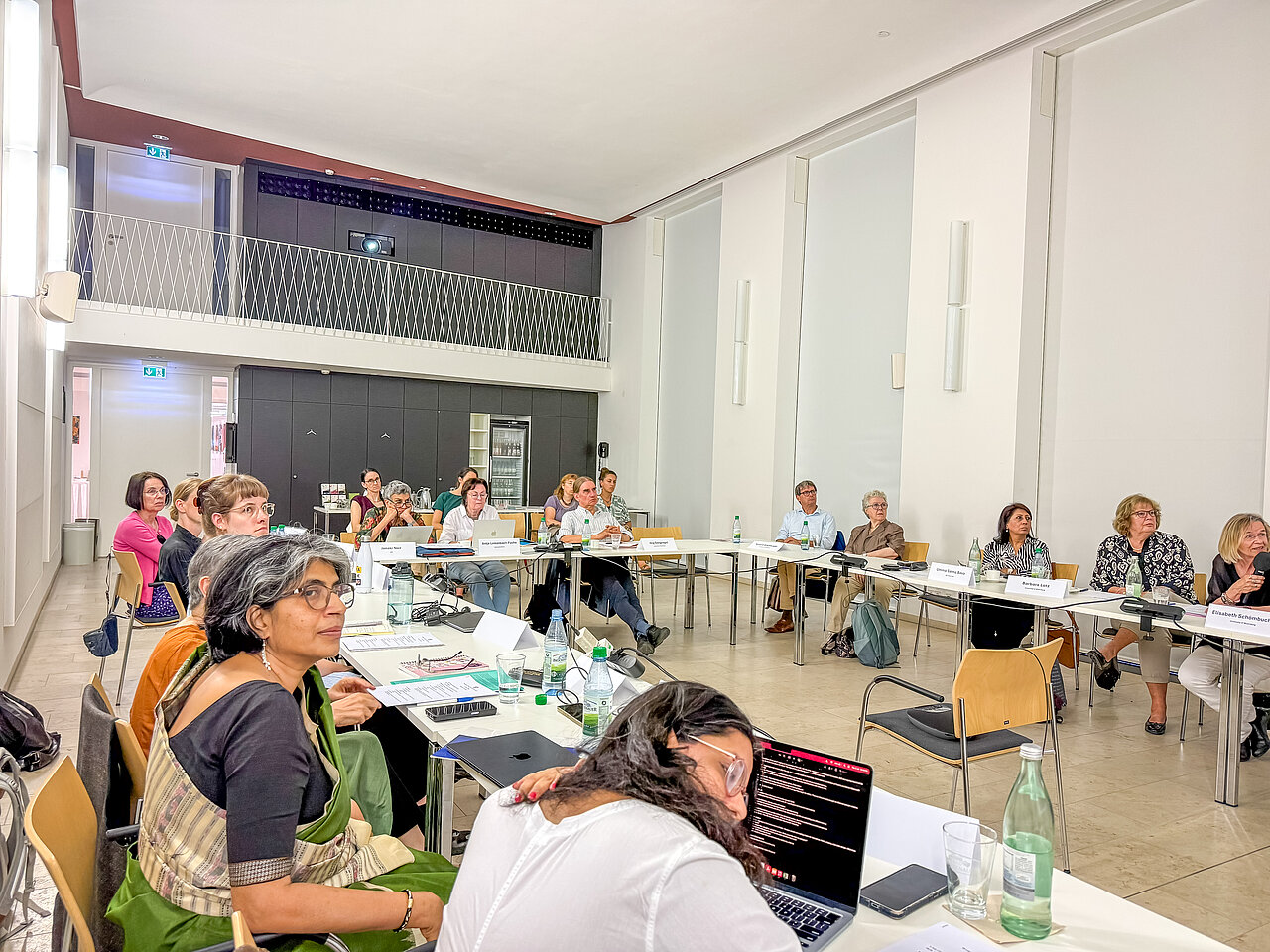
07/03/2026How do conceptions of gender change in international politics and across the life course? These questions were at the heart of the two-day ICAS:MP workshop “The Challenge of Gender”, held in Würzburg on 2–3 July 2026. Alongside panels on age and ageing in transcultural contexts, the panel "The Contestation of Global Gender Norms" provided a particular focus from the perspective of International Relations.
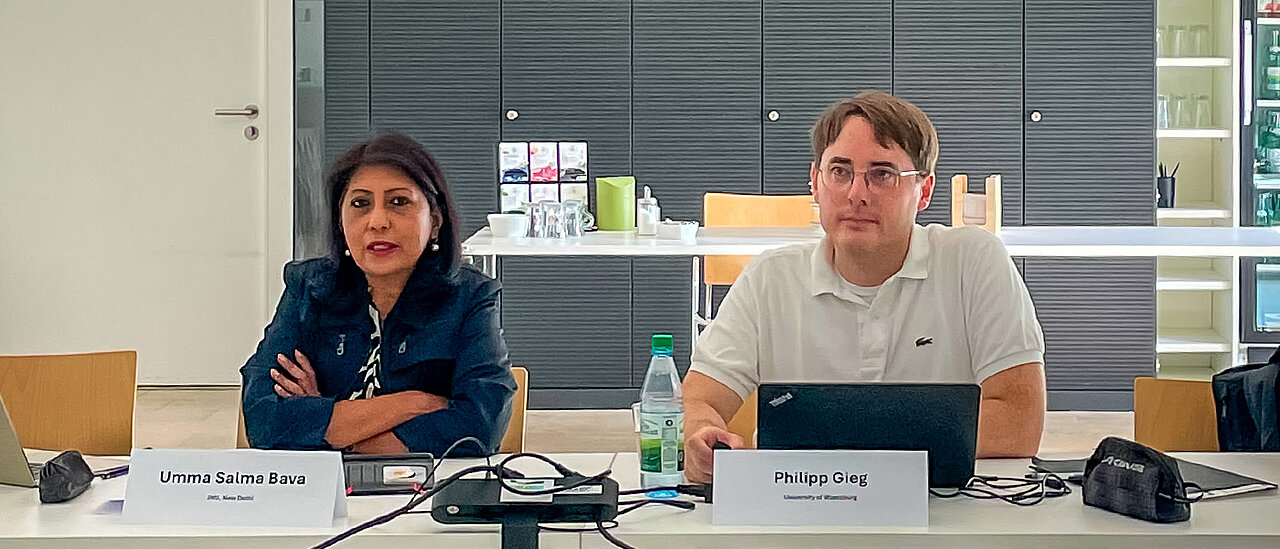
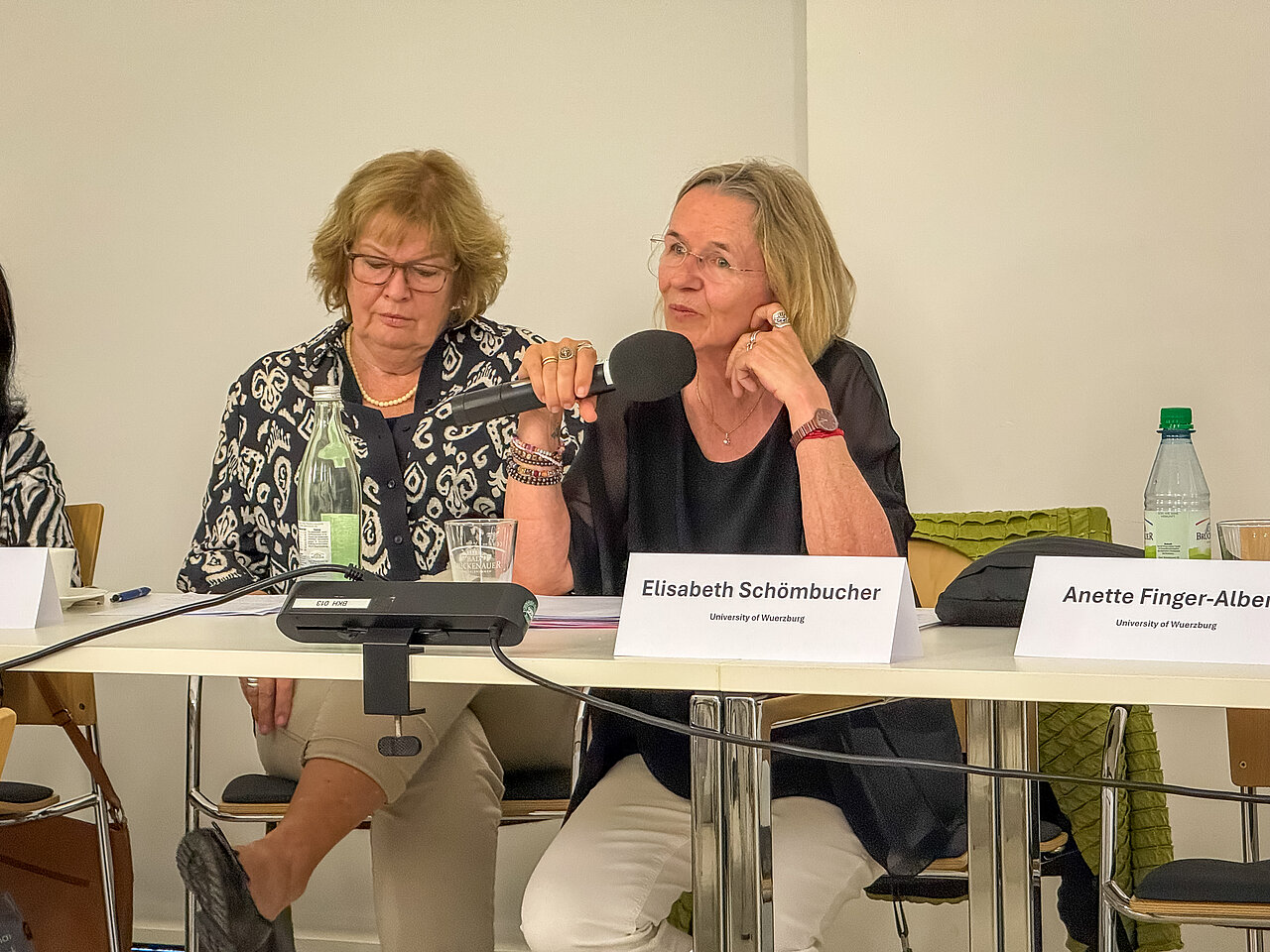
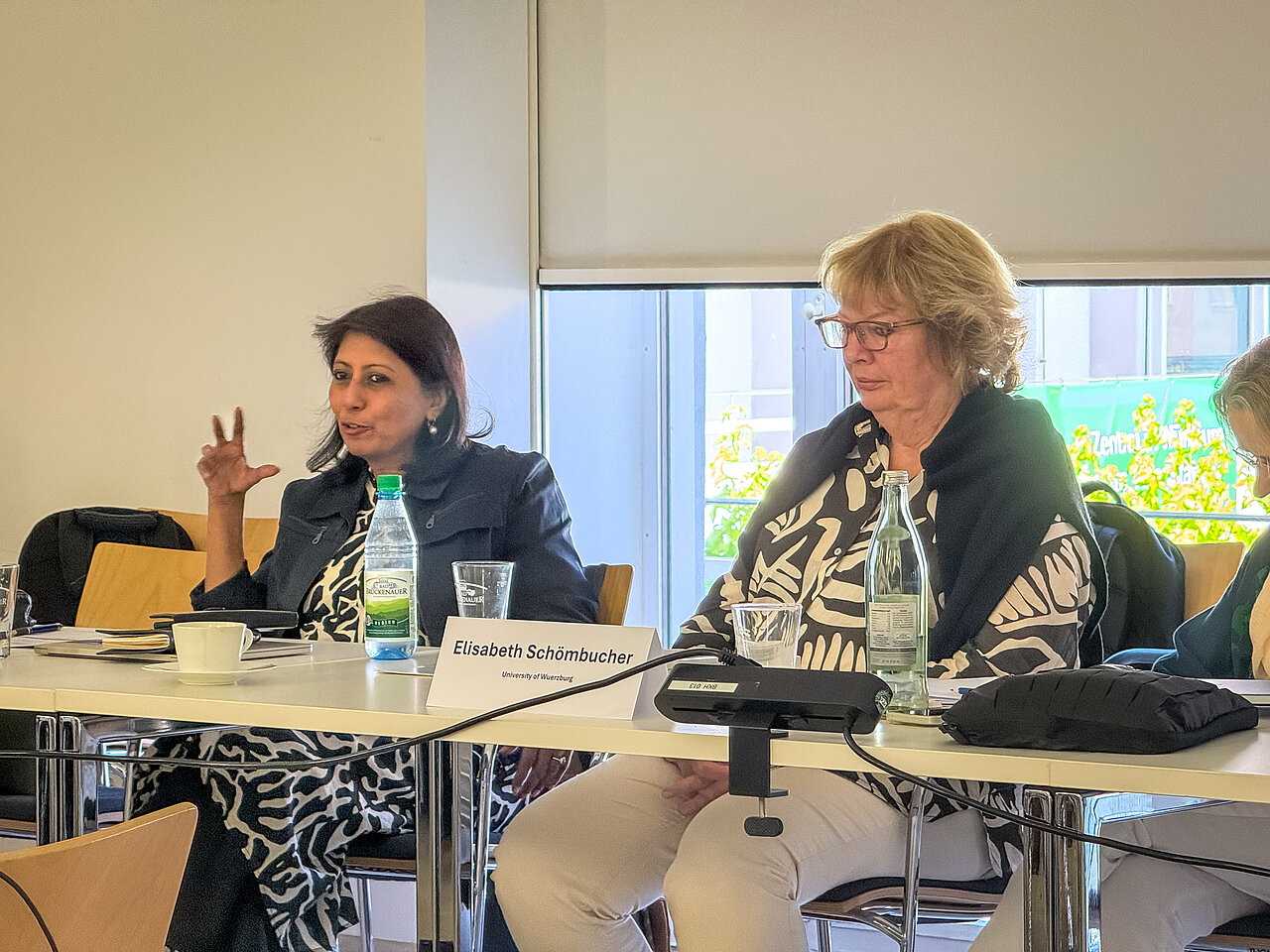
On 2 and 3 July 2026, international scholars gathered in Würzburg for the ICAS:MP workshop "The Challenge of Gender" to discuss gender in a variety of social, historical, and political contexts. The workshop brought together contributions on "Age and Ageing in Transcultural Contexts" with an international debate on the negotiation and contestation of global gender norms.
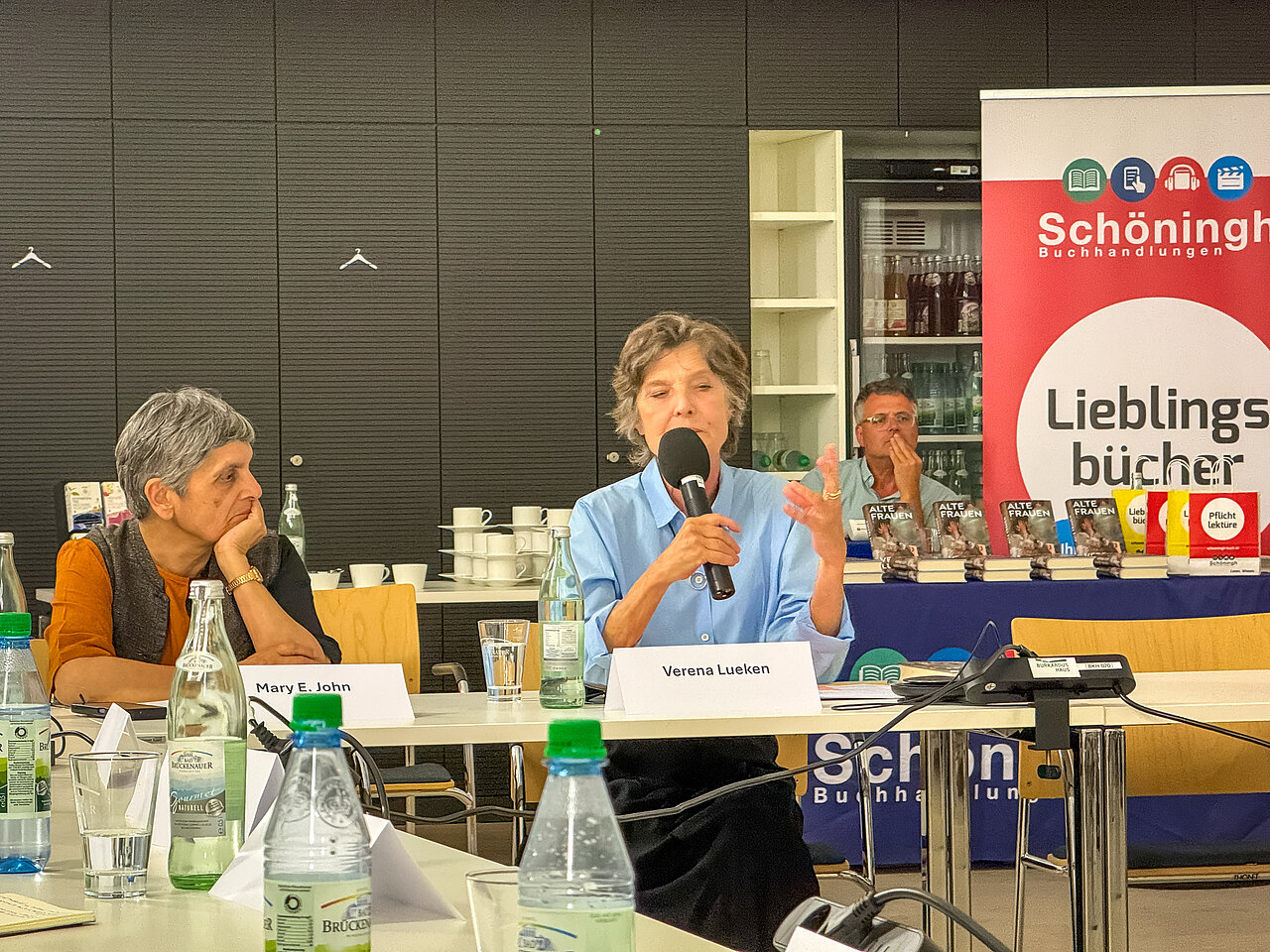
The programme featured a wide range of presentations on age, ageing, and gender in Europe and Asia—from questions of living alone in old age to caregiving, dementia, and widowhood, as well as historical and literary perspectives on ageing processes. A particular highlight of the workshop was the evening programme on 2 July, which included a conversation between the author Verena Lueken and Prof. Mary E. John about Lueken’s book "Alte Frauen" ("Old Women"), followed by a reception.
How Are Gender Equality Norms Articulated, Interpreted, and Contested in Foreign Policy?
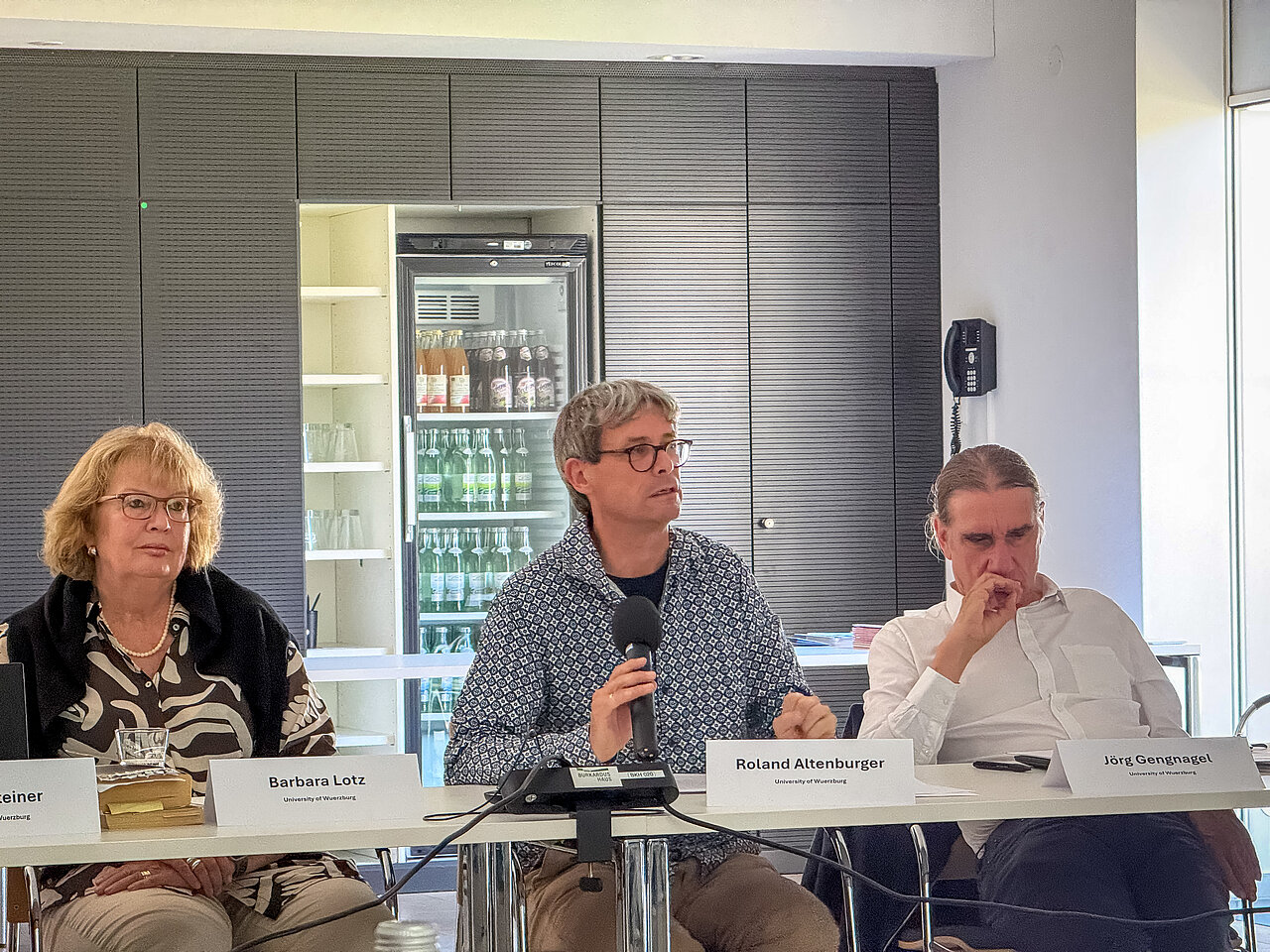
A major focus of the second day was the panel "The Contestation of Global Gender Norms: Analyzing and Situating Gender Equality in Foreign Policy". The panel examined how global gender equality norms are articulated, interpreted, and contested across different foreign policy contexts. At its core were questions of how gender norms are negotiated in foreign policy and what role they play in global governance within an increasingly fragmented international order.
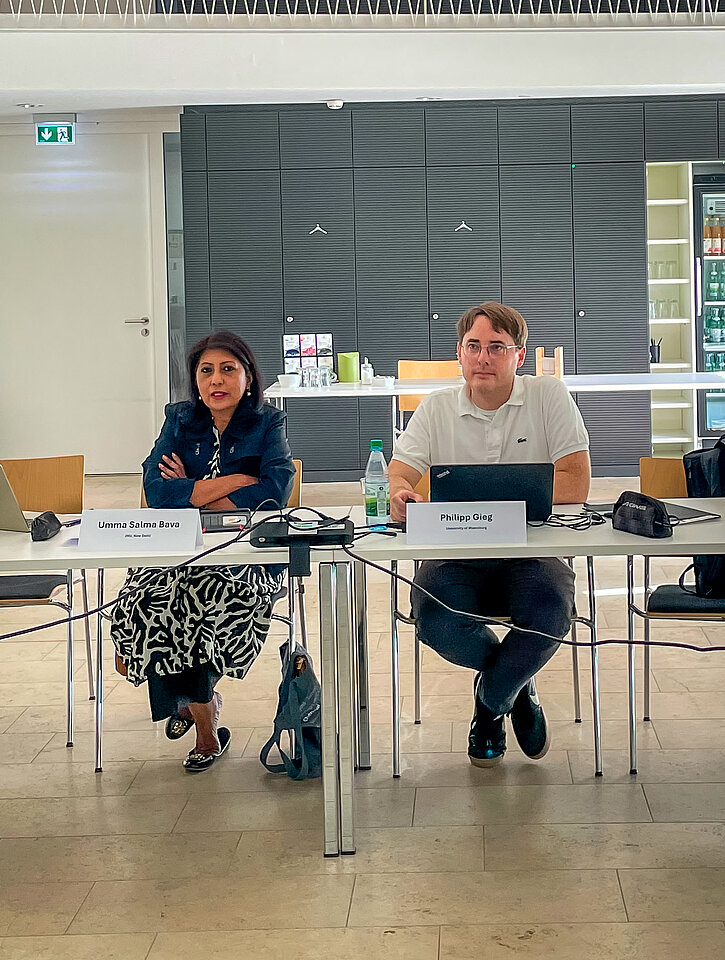
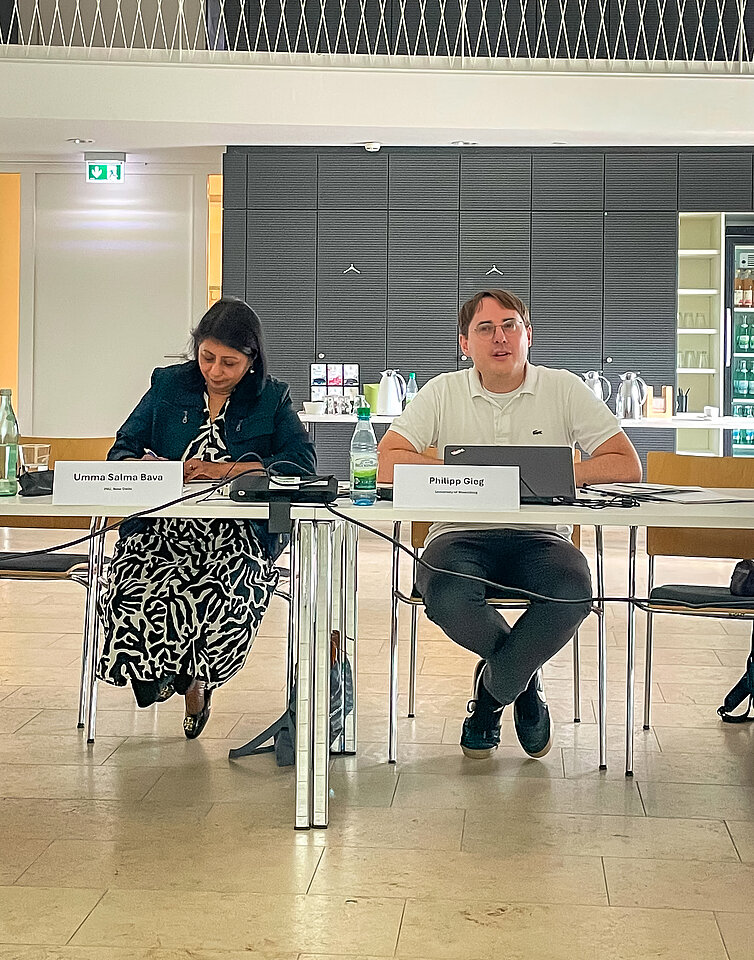
Following an introduction by the panel conveners Prof. Ummu Salma Bava (Jawaharlal Nehru University, New Delhi) and Dr. Philipp Gieg from the Chair of International Relations and European Studies at the Institute of Political Science and Sociology (University of Würzburg), PD Dr. Julia Roth (Bielefeld University / Haus der Kulturen der Welt) discussed worldwide struggles over women’s and gender rights in her presentation "Global Contestations of Gender Rights". She argued for an analytical framework that understands local conflicts over equality and gender rights within their global entanglements and, using citizenship as an example, highlighted the tensions between universal human rights and particular forms of political belonging.
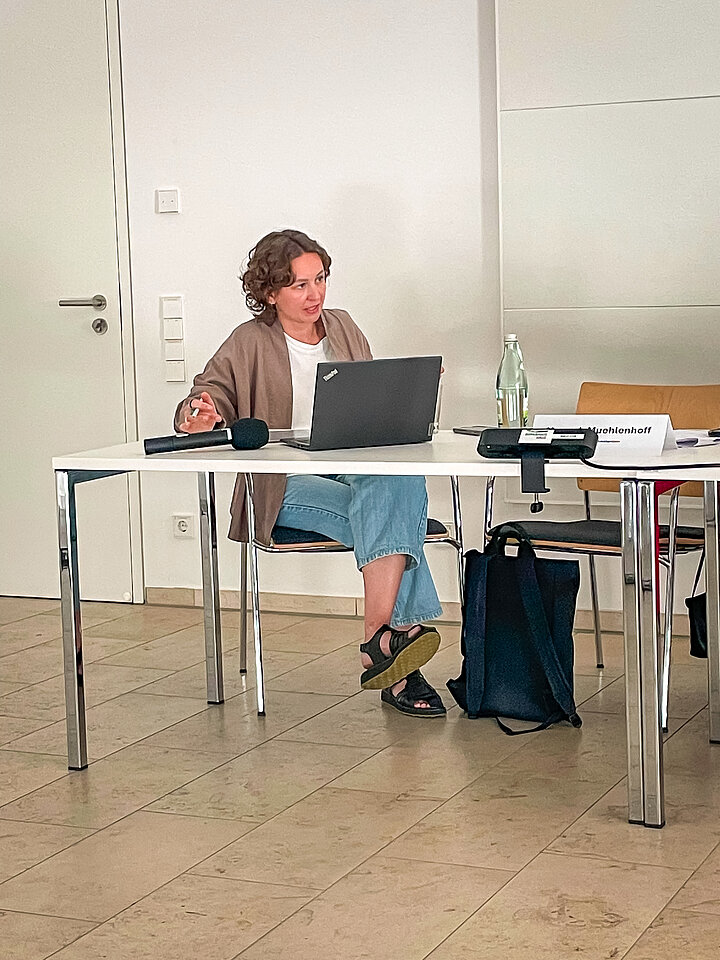
In her presentation "Gender Justice in EU External Relations after the EU’s Geopolitical Turn", Dr. Hanna Mühlenhoff (University of Amsterdam) addressed the implications of the European Union’s geopolitical reorientation. She demonstrated how the EU’s growing emphasis on power politics, strategic autonomy, and security interests may come into tension with broader conceptions of gender justice and explored the contradictions that emerge in the EU’s external relations as a result.
Dr. Philipp Gieg then turned to "India’s Contestation of Global Gender Norms". His presentation examined how India contests and reconstructs global gender equality norms in international forums. Particular attention was paid to the Modi government’s concept of Women-Led Development (Nari Shakti), through which India seeks to position itself not merely as a recipient of norms but as a potential shaper of global gender norms.
The panel concluded with a presentation by Shubha Chacko (Solidarity Foundation, Bengaluru) entitled "Another BRICS in the Wall: Gender, Power, and the Limits of a Multipolar Promise". Chacko analysed the role of gender issues within the BRICS grouping and argued that, despite repeated commitments, gender concerns remain only weakly institutionalised within BRICS structures and processes.
New Perspectives for Research on Gender and International Relations
The panel highlighted that global gender norms have become one of the most contested issues in contemporary international politics. At the same time, the contributions demonstrated the value of combining International Relations scholarship with feminist theory and global governance research in order to better understand current struggles over equality, rights, and international order.
The panel was organised within the framework of the M.S. Merian – R. Tagore International Centre of Advanced Studies “Metamorphoses of the Political” (ICAS:MP), a German-Indian research collaboration funded by the German Federal Ministry of Research, Technology and Space and dedicated to the study of global social and political transformations.
Additional images