Innovative Teaching Project: Master’s Seminar Visits DAHW German Leprosy and Tuberculosis Relief Association
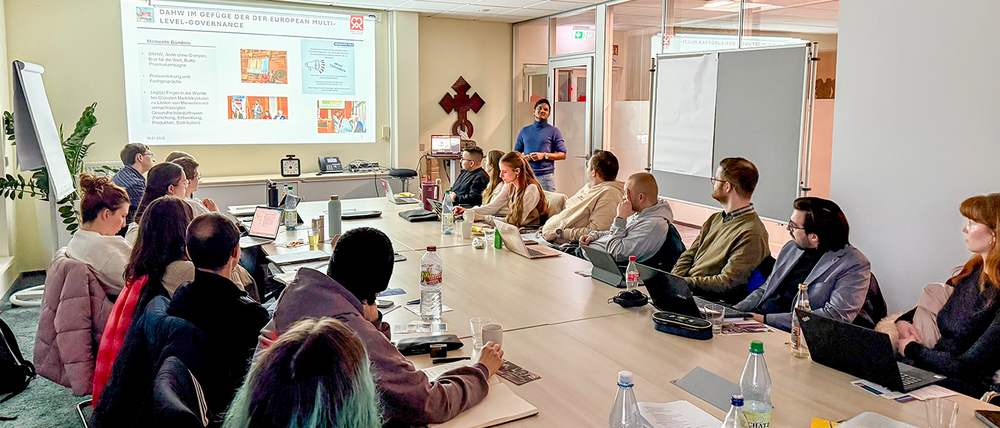
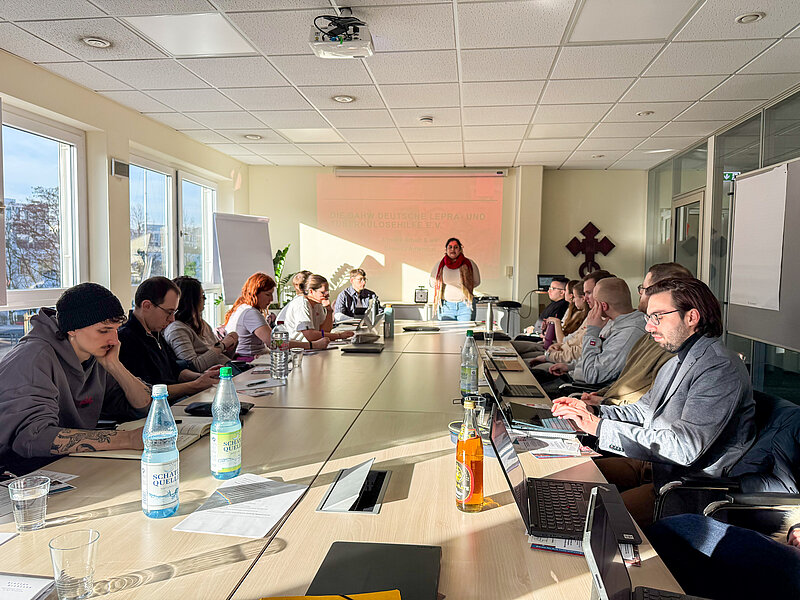
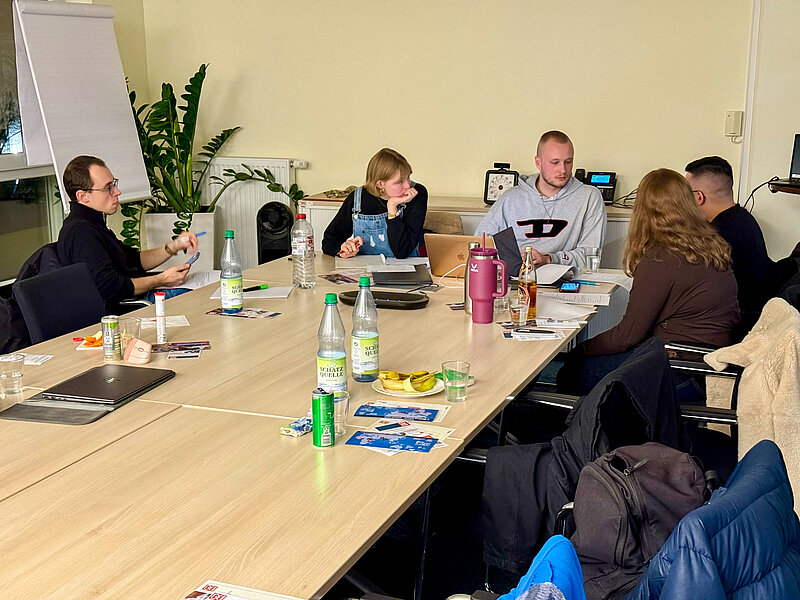
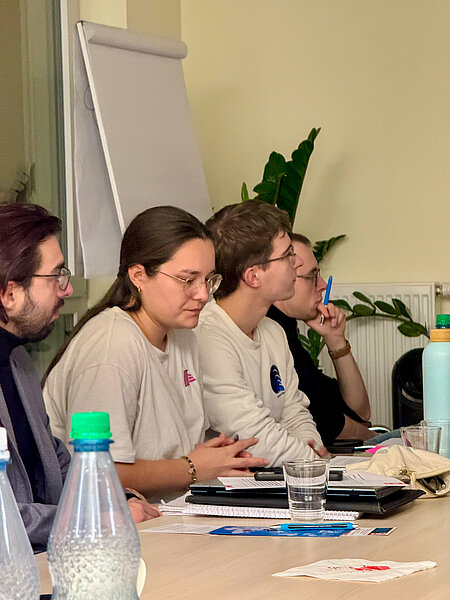
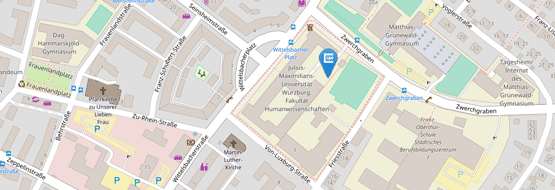
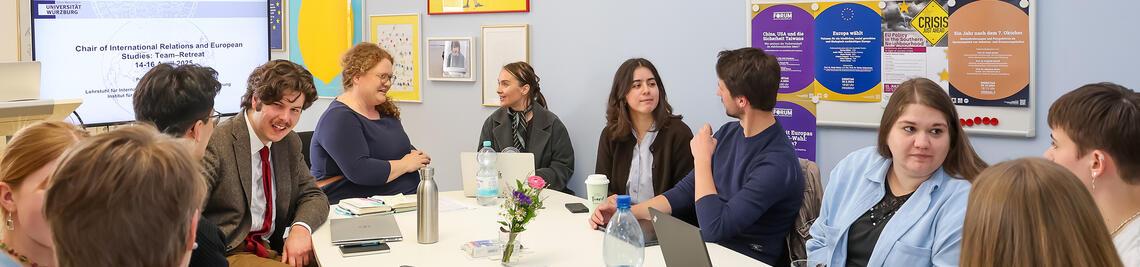
The Master’s seminar "European Development Cooperation", led by Dr. Philipp Gieg, visited the DAHW German Leprosy and Tuberculosis Relief Association on Friday, 16 January 2026, as part of a practice-oriented block session. The 19 seminar participants gained insights into the work of an internationally active non-governmental organization within the framework of multi-level development governance.
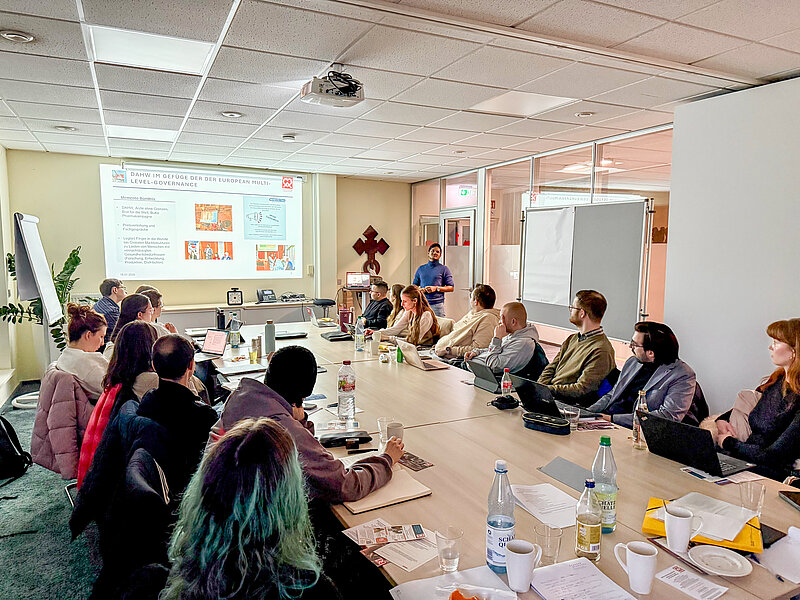
Following the welcome, Saanika Amembal (Officer for Development Education) and Manuel Koch (Officer for Public Relations and Fundraising) introduced the role of DAHW in development cooperation. The discussion addressed the association’s understanding of development, its positioning within the European and international multi-level system, and current challenges in project work.
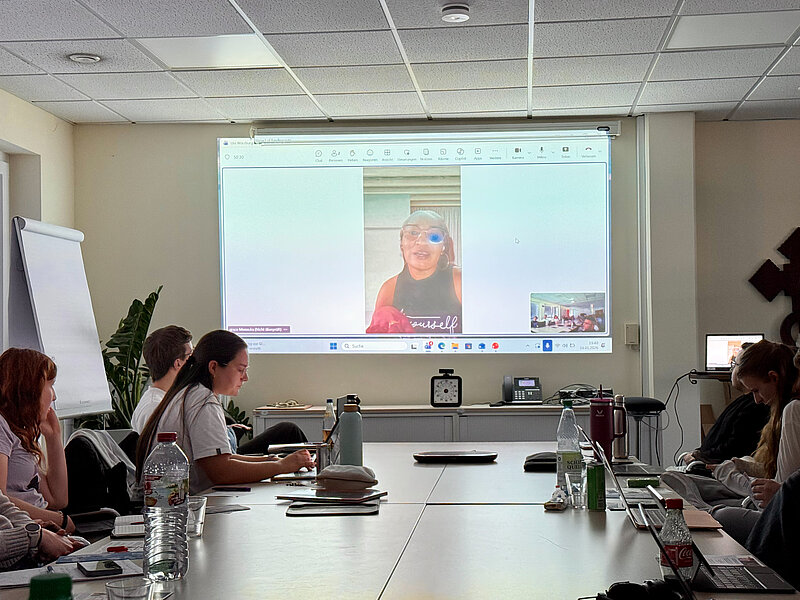
A particular focus was placed on activities in partner countries and cooperation with local partner organizations. Grace Mwasuka, a social worker at the DAHW country office in Tanzania, reported via Zoom on her work on the ground. The discussion also covered the effects of international funding cuts – especially the near-complete suspension of U.S. development cooperation – as well as emerging actor constellations and new approaches in development cooperation.
After the break, attention shifted to development cooperation as a professional field. Felicitas Schwermann (physician and Officer for Global Health and Research), Juliane Meißner (Officer for MEAL – Monitoring, Evaluation, Accountability and Learning), and again Manuel Koch presented different career paths within DAHW. In an open Q&A session, students were able to ask concrete questions about career entry, everyday professional practice, and required qualifications.
At the same time, key challenges and contradictions in development cooperation were openly addressed and critically discussed, including issues such as power asymmetries, dependency on donor funding, impact measurement, localization, sustainability, and the tension between professional project logics and local needs.
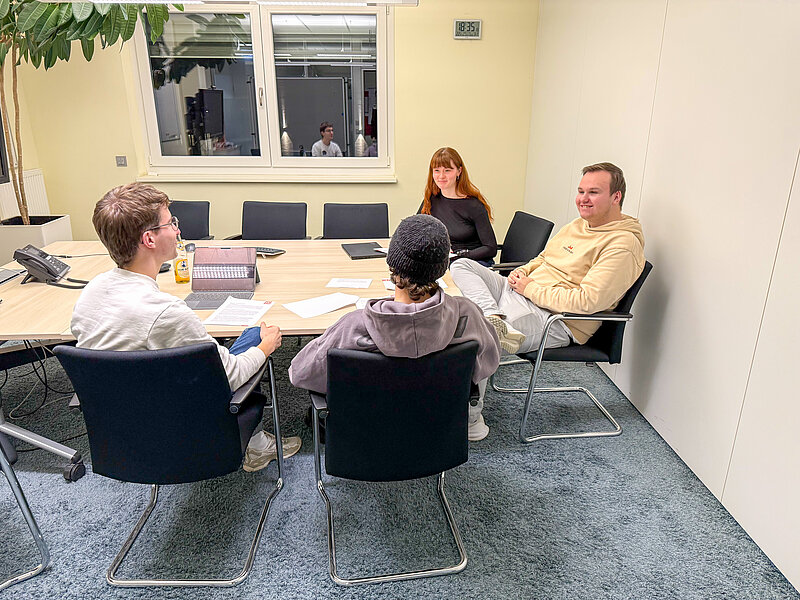
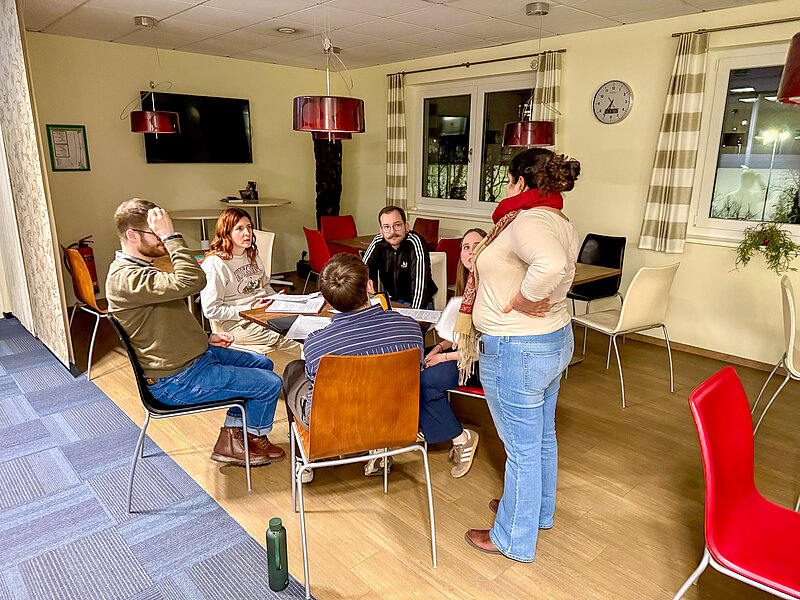
In the final session, participants worked in groups on concrete case studies from DAHW’s project practice. Under the guidance of Saanika Amembal, they analyzed the projects using concepts and theories developed earlier in the semester and reflected on central challenges of development cooperation, particularly in the areas of evaluation, partnership, and sustainability.
The block session not only provided valuable insights into the practical work of a development NGO, but also enabled an intensive exchange with experienced practitioners. It highlighted that development cooperation is shaped not only by success stories, but equally by conflicting objectives, structural and financial constraints, and complex negotiation processes. The open reflection on these tensions helped link theoretical approaches discussed in the seminar with real-world experience and portrayed European development cooperation as a dynamic field marked by political and normative contestation.